What a Modern Hotel PMS Should Actually Do in 2026

Many hotels run dining, wellness, events, coworking, memberships or retail alongside accommodation. When choosing a PMS, review how those services connect to room bookings and guest records.
It Should Be an Operating System, Not a Point Solution
Map the systems needed for rooms, rates, reservations, restaurant sales, spa bookings, guest profiles, memberships, private hire and payments.
Check how those systems share customer identities and activity. Can reception see a restaurant order? Can the spa team recognise a returning guest who spent four thousand pounds on their previous stay?
Follow a guest from booking through check-in, on-site purchases and checkout. If a treatment, dinner and minibar order are charged to the room, confirm when each charge appears and how corrections are handled.
It Should Know Who Your Guests Actually Are
A shared profile can include room bookings, restaurant visits, treatments, events, memberships, loyalty, gift cards and spending across locations.
That history gives staff context during a visit. For example, reception may see that a returning guest stayed twice last year, usually books a spa treatment on the first morning and prefers a quiet restaurant table.
Relationships between guests can be useful too. Records of shared bookings, referrals and corporate accounts help teams understand groups that visit together.
Tiquo adds predictive customer lifetime value and expected next-order ranges alongside historic activity. Treat those predictions as estimates when using them to plan customer contact.
It Should Handle Multi-Entity Financials Automatically
Rooms, restaurants and spas may operate under different legal entities. Management companies, franchises and joint ventures can add further requirements to the way transactions are recorded.
If this applies to your property, test a bill that includes room charges, food and spa services. Confirm how payments are allocated, what invoices and records are produced, and which reconciliation tasks remain.
It Should Let Guests Self-Serve
Guests may want to check in, request a late checkout or pay from their phone. Decide which self-service tasks suit the property and where staff should remain involved.
Test the login and portal journey on a guest’s device. Review check-in, checkout, folio access, bill payment, additional bookings and membership or loyalty management.
Tiquo gives customers and companies stored credit for eligible products, services and bookings. Loads, redemptions, adjustments and refunds stay linked to the customer record and reporting.
If digital room keys or membership passes are part of the plan, confirm wallet support and hardware requirements during the review. Test the full arrival and access process.
It Should Work Across Every Device Without Compromise
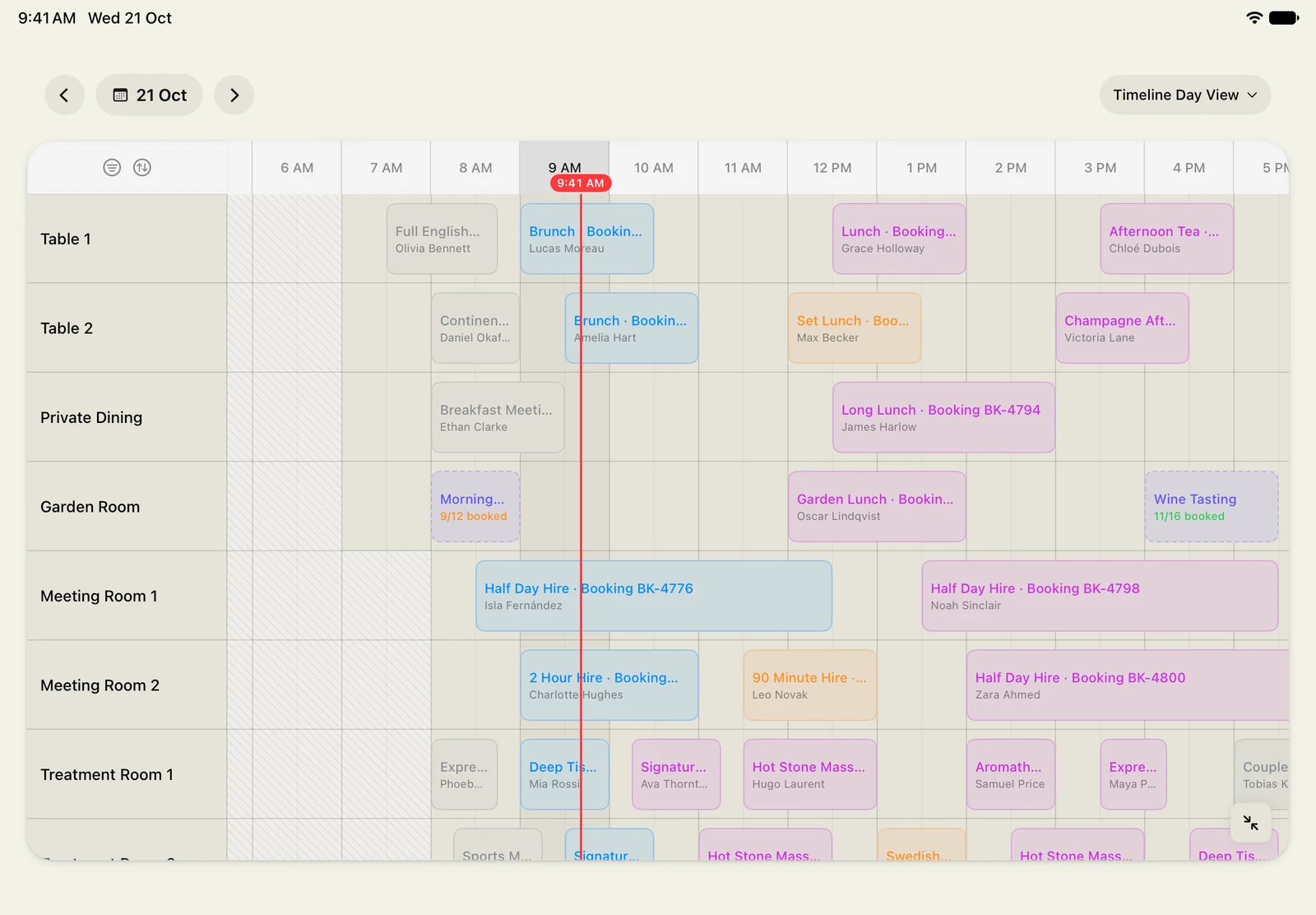
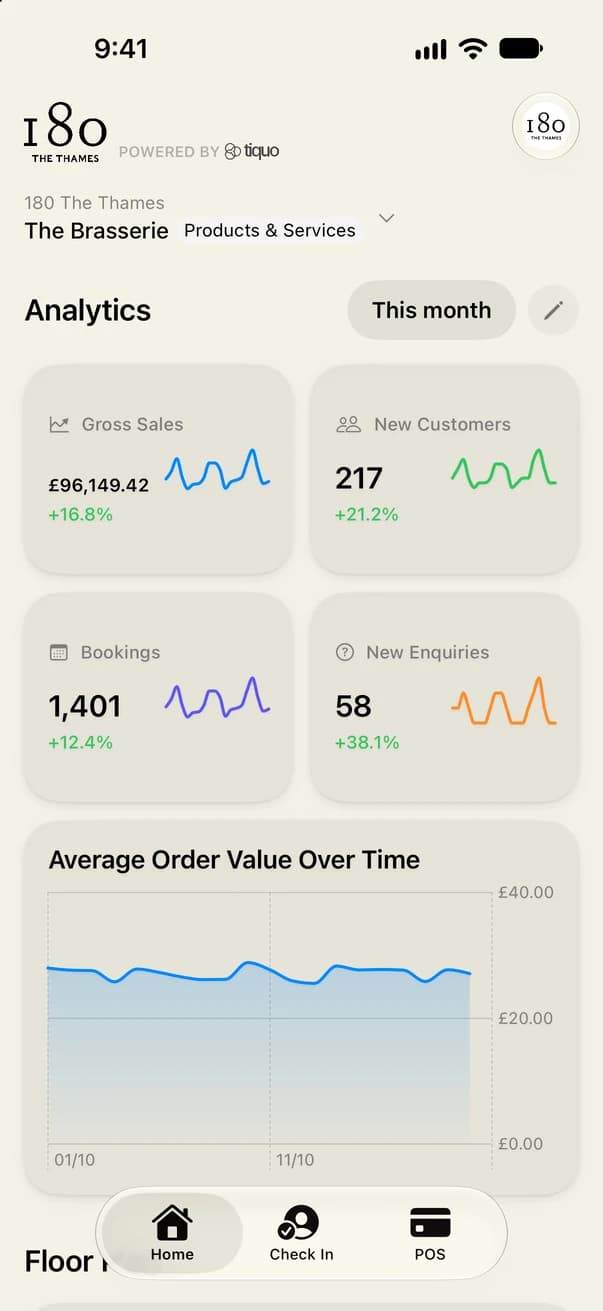
Reception may check guests in at a terminal, while a restaurant manager reviews covers on a tablet. An events coordinator may need an enquiry on a phone, and housekeeping may update room status while moving between floors.
Test those tasks on the intended web browsers, iPhones, iPads, Android devices and POS hardware. Record any device-specific restrictions before rollout.
It Should Connect the Full Guest Journey
A guest may first visit an exhibition, return for dinner, join a membership programme and later book a room. Check whether the PMS can connect that earlier activity to the hotel stay.
A shared timeline helps staff understand the guest’s relationship with the property without checking several databases.
Connected booking flows can also offer relevant services, such as a spa package with a room. Ask which offers can be configured today and what information they use, rather than assuming a recommendation engine is included.
It Should Adapt to You, Not the Other Way Around
A 30-room boutique hotel, a 500-room conference hotel and a mixed-use property have different operating needs.
Test your own check-in steps, rate structures and reporting categories. Identify which settings staff can change and which require vendor support.
Include housekeeping, event quotations and contracts in that review. Check how forms, registration cards, waivers and digital signatures are captured and stored.
Where Tiquo Fits
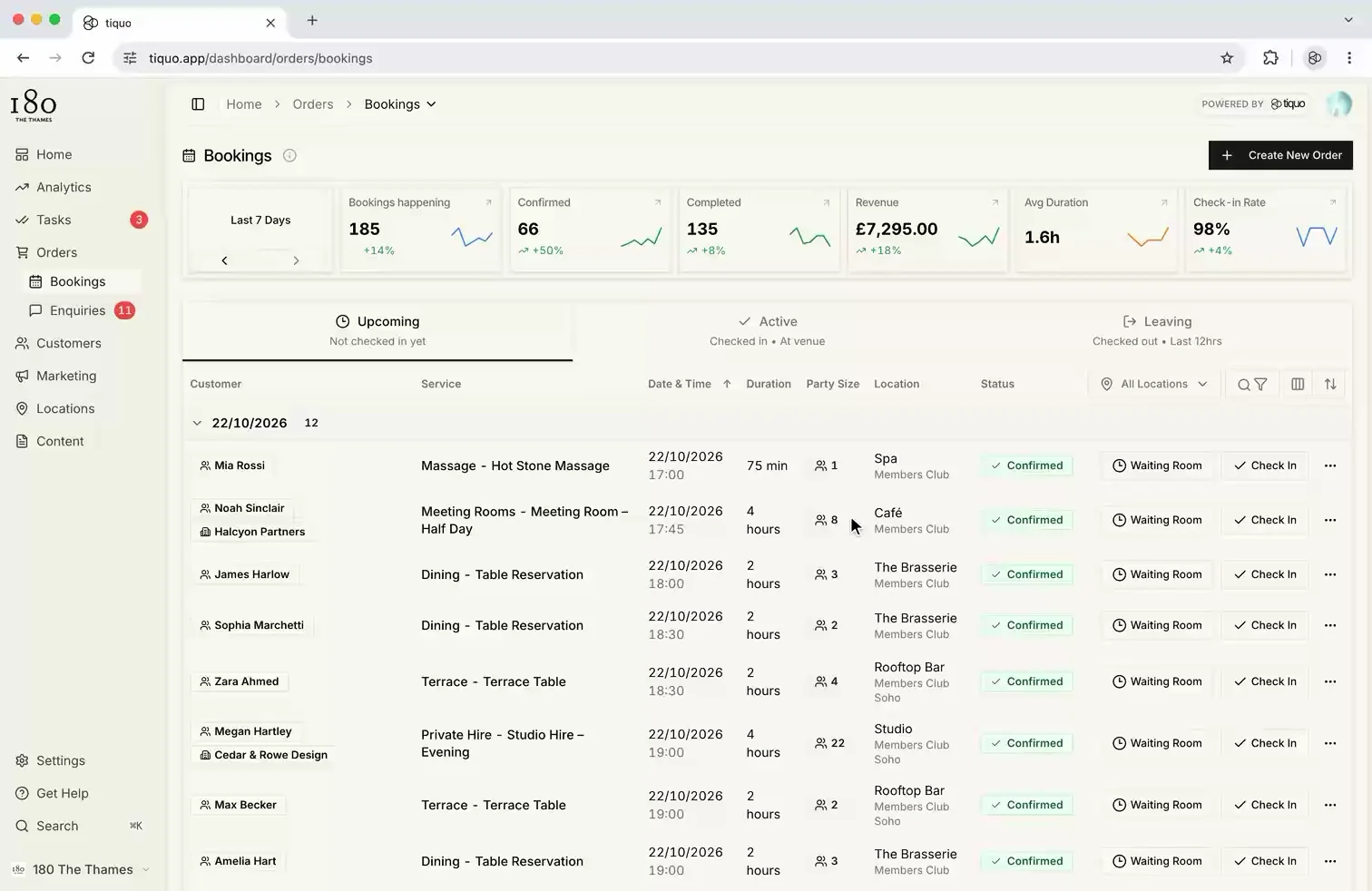
Tiquo includes hotel property management alongside POS, bookings, ticketing, memberships, CRM, events, check-in, payments and analytics on a shared platform.
It is designed for hotels that want to manage accommodation and other services together, including mixed-use properties and multi-site portfolios.
Tiquo brings customer profiles, bookings, orders, payments, memberships, forms and reporting into one platform. PMS connections, payment routing, customer-facing apps and implementation services depend on the operator’s configuration and agreed scope.



Latest Stories
WebMCP explained: how AI agents can book through hospitality websites
What WebMCP is, how websites register tools that AI agents in the browser can call, where the standard and Chrome support stand in October 2026, and what it means for booking pages.

How to sell spa treatments and dining to hotel guests before they arrive
Pre-arrival upselling for hotels: when to send spa and dining offers, what to offer which guests, how to make offers bookable, and the UK consent rules for promotional messages.

How to split bills and move tabs between tables
How to split bills by item, seat, equal share or amount, and how to move a tab or selected items to another table without sending food to the kitchen twice or charging twice.