OfficeRnD Alternatives: When Decent Workspace Software Is No Longer Enough
OfficeRnD is designed for coworking, flex space and hybrid workplace operators. Its tools cover memberships, room bookings, billing, floor plans, member portals and access workflows.
When a workspace adds hospitality services, the software requirements change. Desk and meeting room bookings remain important, but they become part of a wider operation.
The Limitation Is Quality and Scope
A coworking venue may add events, food and beverage, private hire, wellness or retail. A members’ club may need POS, enquiries, ticketing and check-in alongside space booking. These additions also change what teams need from customer profiles, payments and reporting.
Review the whole setup the business would need, including any tools and integrations used alongside OfficeRnD. That gives you a more useful comparison than a workspace feature list alone.
Where the Friction Usually Starts
Trace a typical customer journey through the website, enquiries, contracts, bookings and payments. Check whether staff can follow it in one place, and whether finance can report across the different revenue types.
OfficeRnD extends its platform through integrations and add-ons. Confirm which functions are included, which require another product and who maintains the connections.
Why Working in OfficeRnD Is Often Harder Than It Looks
Ask for a setup plan covering billing, memberships and bookings. Confirm the onboarding and training included in the quote, along with any specialist consultation or additional workshops the team would need.
Test the member and staff interfaces on the devices you use. Try one-time event bookings and other less routine tasks. If you depend on access control or accounting integrations, such as Salto or Xero, check their scope and recovery process when a sync fails.
Have new staff try a few common tasks during the demonstration. Note where they need help, a workaround or a support request. This gives you a practical basis for estimating training and support costs.
The Branding Problem
Check how much of the member portal and booking interface you can adapt to your brand. Review the available design controls and where provider branding appears.
Follow the journey from the venue’s website into the portal and through a booking. The transitions matter as much as the appearance of an individual screen.
Tiquo supports the operator’s branding across the booking flow, member portal, loyalty programme and payment journey.
Signs It Might Be Time to Look at Alternatives
A review may be useful when the venue expands into food service, wellness or events, or when staff regularly combine records from several tools to understand a member’s activity.
Also review the setup if integration maintenance and training are becoming costly, or if the guest-facing design cannot meet the venue’s needs. Bring specific examples to a demonstration so you can test the proposed replacement.
How Tiquo Compares
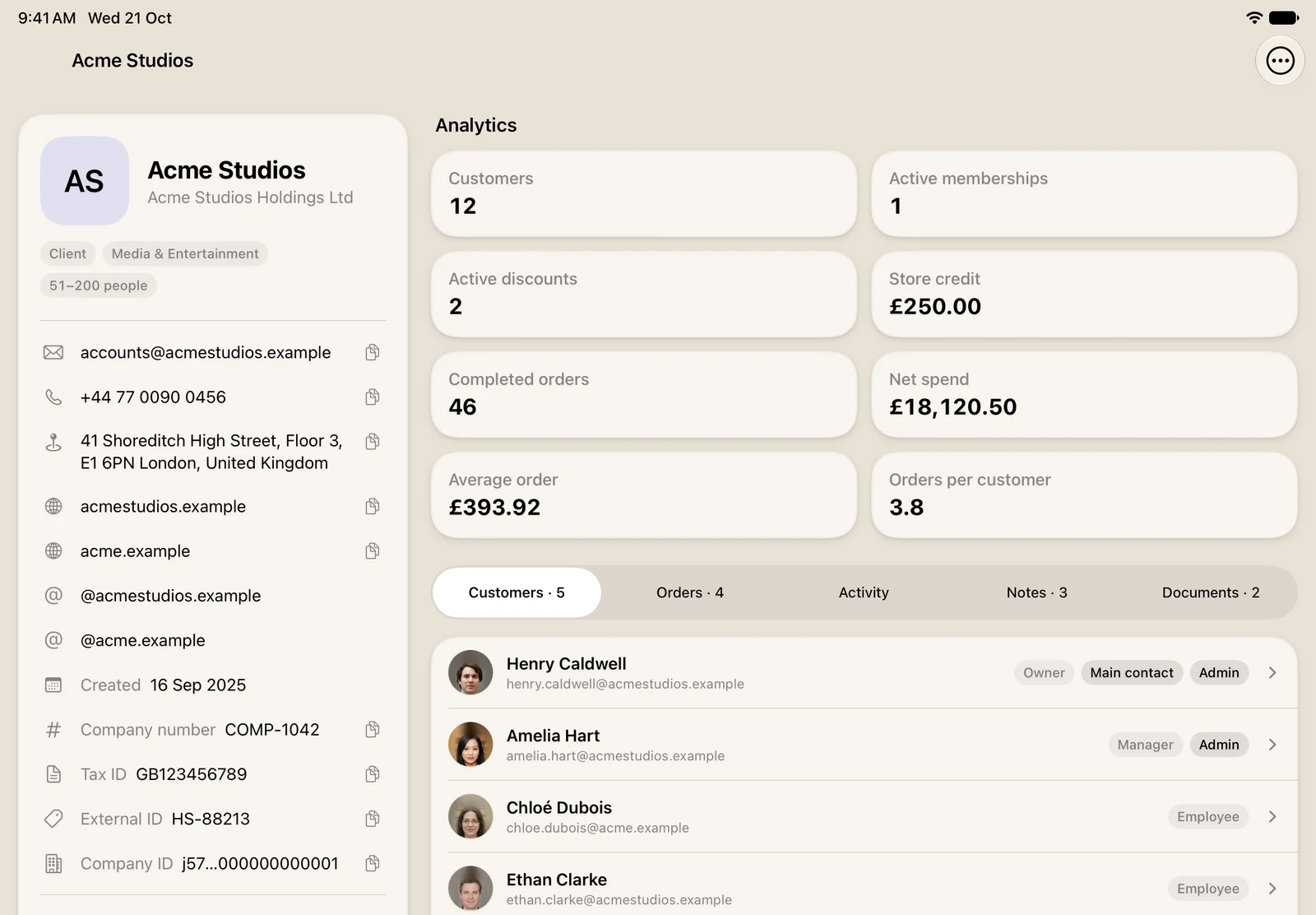
Tiquo combines products, services, bookings, forms, contracts, memberships, payments and customer records for service businesses and mixed-use venues.
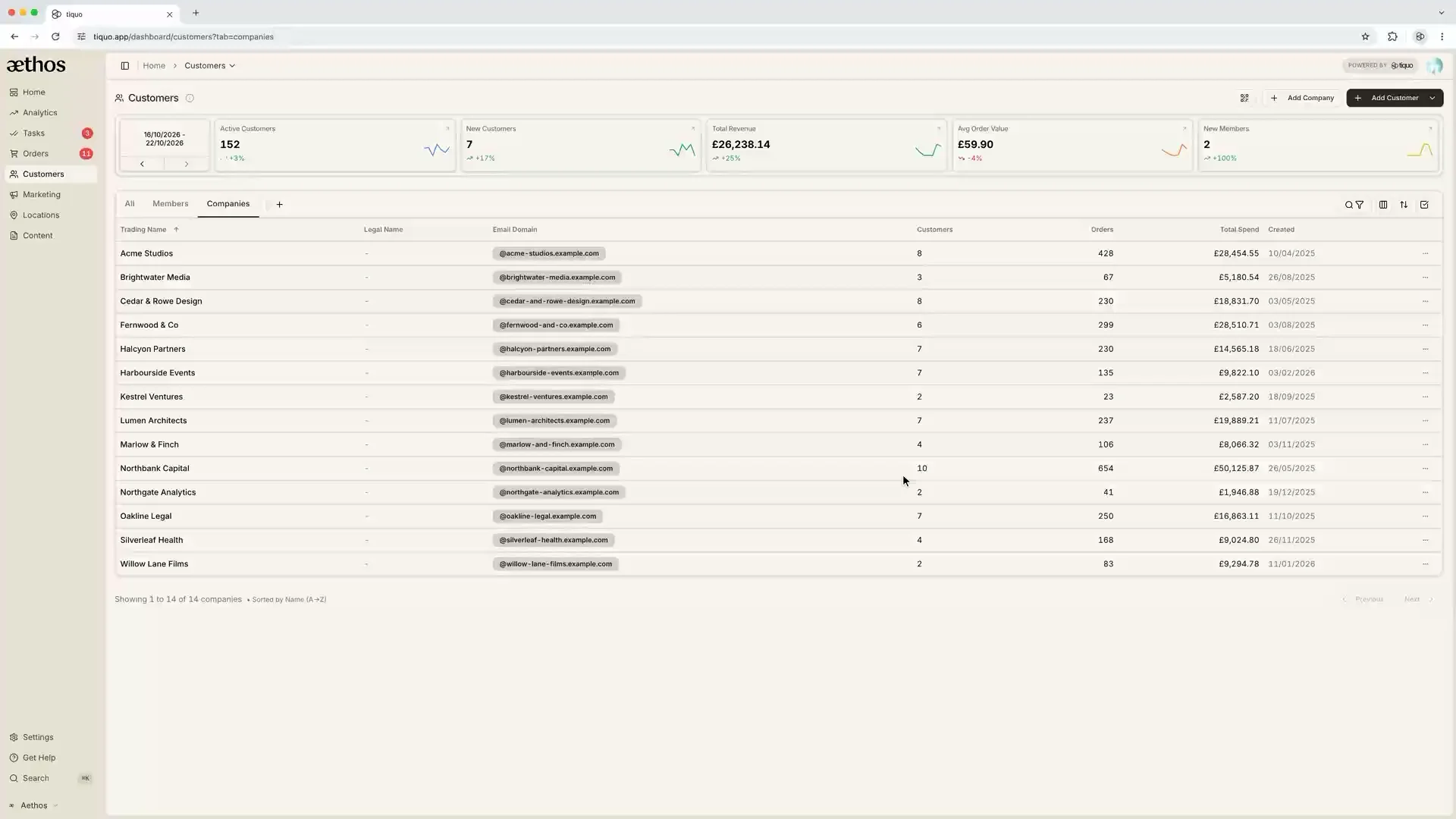
Desk bookings, restaurant visits, spa treatments, event tickets and hotel stays feed the same customer profile. The CRM adds predictive customer lifetime value and expected next-order ranges to historic activity. Social Graph records relationships between members, including corporate accounts and social groups.
For configured connected accounts, Tiquo can allocate a checkout across several payment destinations and link the allocations to the order. Tiquo also supports stored credit for eligible products and services. Split payments can use equal shares, individual items, percentages or custom amounts.
Membership and loyalty benefits can apply across the workspace, restaurant, gym, hotel and retail areas. Operators control where benefits and gift cards can be redeemed across brands and sublocations.
Tiquo includes POS, hotel PMS, spa and wellness bookings, private hire events and exhibition ticketing. A member’s coffee order, meeting room booking and fitness class can therefore contribute to the same record.
Staff can use Tiquo on the web, iPhone, iPad, Android and dedicated POS hardware. Test the devices and tasks your team will use when assessing setup and training requirements.
Portfolio reporting brings together revenue, customer activity and performance across locations and sublocations. Customer analytics includes predictive lifetime value and expected next-order ranges alongside historical reports.
Making the Decision
For a coworking, serviced office or hybrid workplace, start by comparing booking, billing, portal, floor plan, visitor and access requirements.
For a mixed-use venue, extend that review to the full journey from enquiry and arrival to spending, loyalty, payment and reporting. Check whether staff can follow the customer across those services without moving records between tools.
Tiquo is an option for operators who want to manage workspace and hospitality services on a shared platform.


Latest Stories
WebMCP explained: how AI agents can book through hospitality websites
What WebMCP is, how websites register tools that AI agents in the browser can call, where the standard and Chrome support stand in October 2026, and what it means for booking pages.

How to sell spa treatments and dining to hotel guests before they arrive
Pre-arrival upselling for hotels: when to send spa and dining offers, what to offer which guests, how to make offers bookable, and the UK consent rules for promotional messages.

How to split bills and move tabs between tables
How to split bills by item, seat, equal share or amount, and how to move a tab or selected items to another table without sending food to the kitchen twice or charging twice.