SevenRooms Alternatives: When Reservation Software Starts Becoming the Centre of Everything
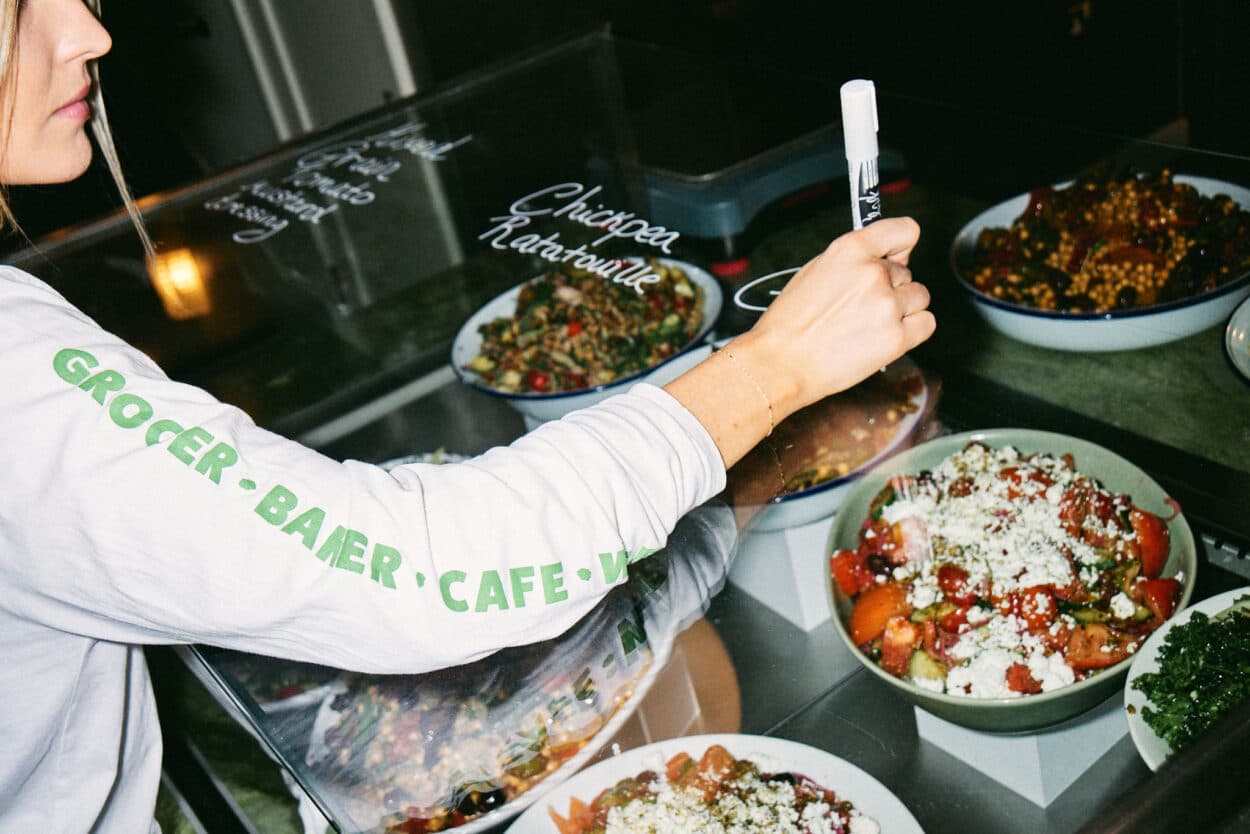
SevenRooms helps restaurants track regular bookers, tag guests, run birthday campaigns and review no-show history. Those records give staff useful context before a guest arrives.
For a venue with several services, the question is how that reservation history connects to the rest of a guest’s activity. A walk-in bar purchase, hotel stay, spa treatment or event ticket may be recorded elsewhere. Check which interactions reach the profile and how quickly they appear.
What SevenRooms Actually Does
SevenRooms covers reservations, waitlists, floor and table planning, guest profiles, CRM, email and SMS marketing, VIP tags, follow-up campaigns, private dining, no-show fees and booking reports.
For a reservation-focused restaurant, these tools address much of the front-of-house and marketing workload. The broader comparison depends on what else the business needs to manage.
Where the Model Starts to Strain
List the other tools the venue needs, including POS, loyalty, hotel PMS, spa bookings, event ticketing, memberships, payments and gift cards. Then check how those tools share customer records with the reservation platform.
A useful test is a guest who books dinner, buys an event ticket, changes their membership and later visits the bar without a reservation. Can staff see those interactions together, or do they need to search several systems?
Gaps in that history affect marketing segments and service. Finance may also need to reconcile revenue across platforms. Check which team handles that work and how often records need correcting.
A Platform Aware of Its Own Problems
Ask the staff who will use the system to try their usual tasks during a demonstration. Test the steps needed to find a guest, update a booking and handle an exception during a busy service.
Test the devices your team actually uses, including Android where relevant. Confirm which functions are included in the proposed pricing tier and what would cost extra.
Also review the integrations the venue will depend on. Ask who supports each connection, what happens when a sync fails and how staff recover the missing records.
The Branding Problem
Review booking widgets, confirmations and guest communications against the venue’s brand. Ask which colours, fonts, layouts and messages can be changed, and where the software provider’s branding remains.
A demonstration should include the full guest journey, so you can assess the transitions between your website, booking form and confirmation.
Tiquo supports the operator’s branding across the booking flow, loyalty programme and payment journey.
A Different Kind of “Knowing Your Guest”
Reservation history provides booking frequency, guest notes, tags and campaign responses. Connected transaction data can add spend from those visits.
A broader profile can also include walk-in POS transactions, memberships, loyalty redemptions, event tickets, stays, treatments, retail purchases, check-ins, enquiries and gift card use.
When the systems handling those activities share a customer record, teams can use the history directly for service and marketing. There is less need to export records and match them before building a segment.
Signs It Might Be Time to Look at Alternatives
Consider a review if staff regularly switch between platforms to understand a guest’s history, or if marketing relies on incomplete records. The number of tools matters less than the work required to keep them consistent.
A hotel, wellness service, membership programme or retail area may introduce requirements beyond reservations. Compare the combined subscription, training and integration costs with the cost of running those services on a shared platform.
How Tiquo Approaches This Differently
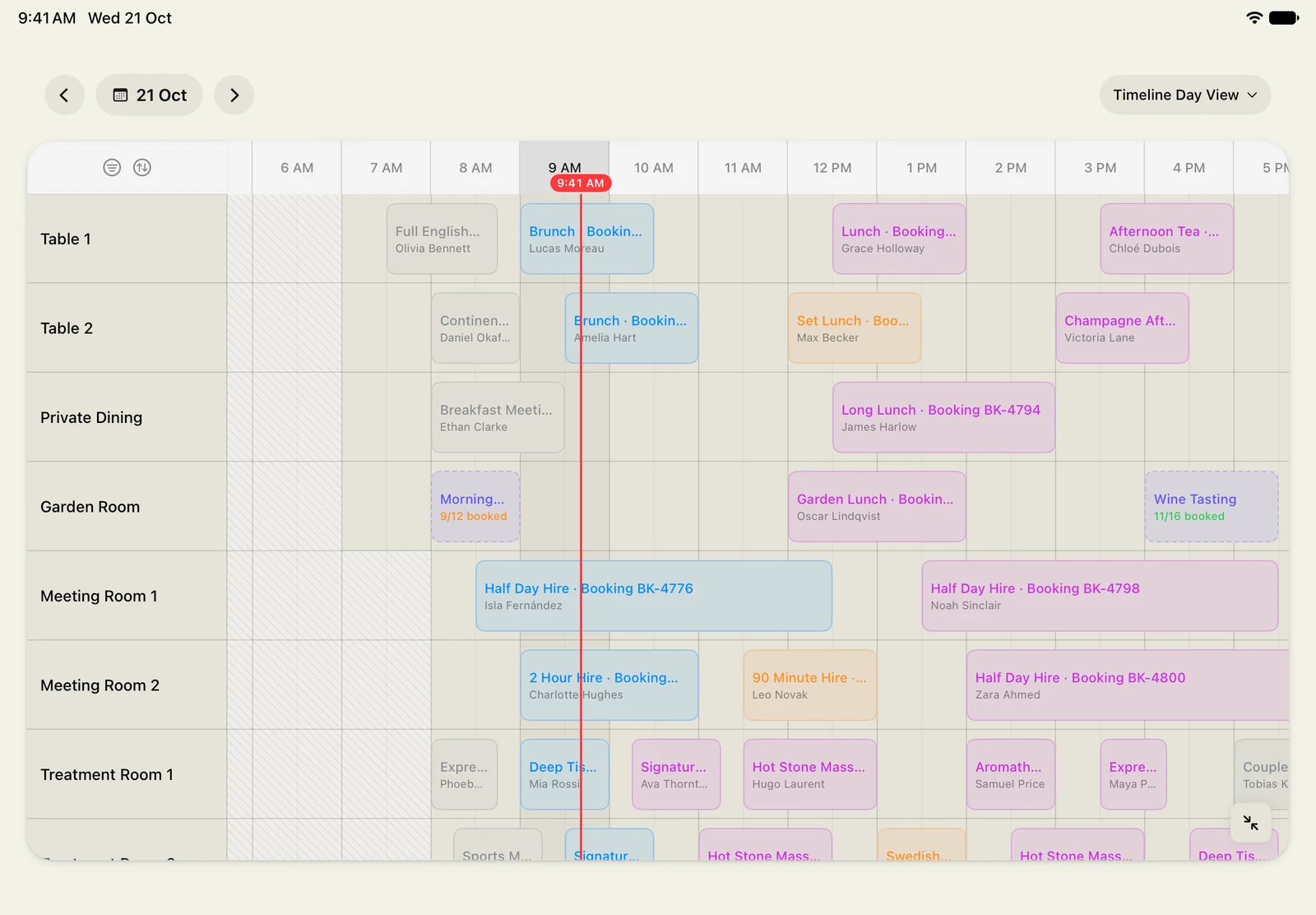
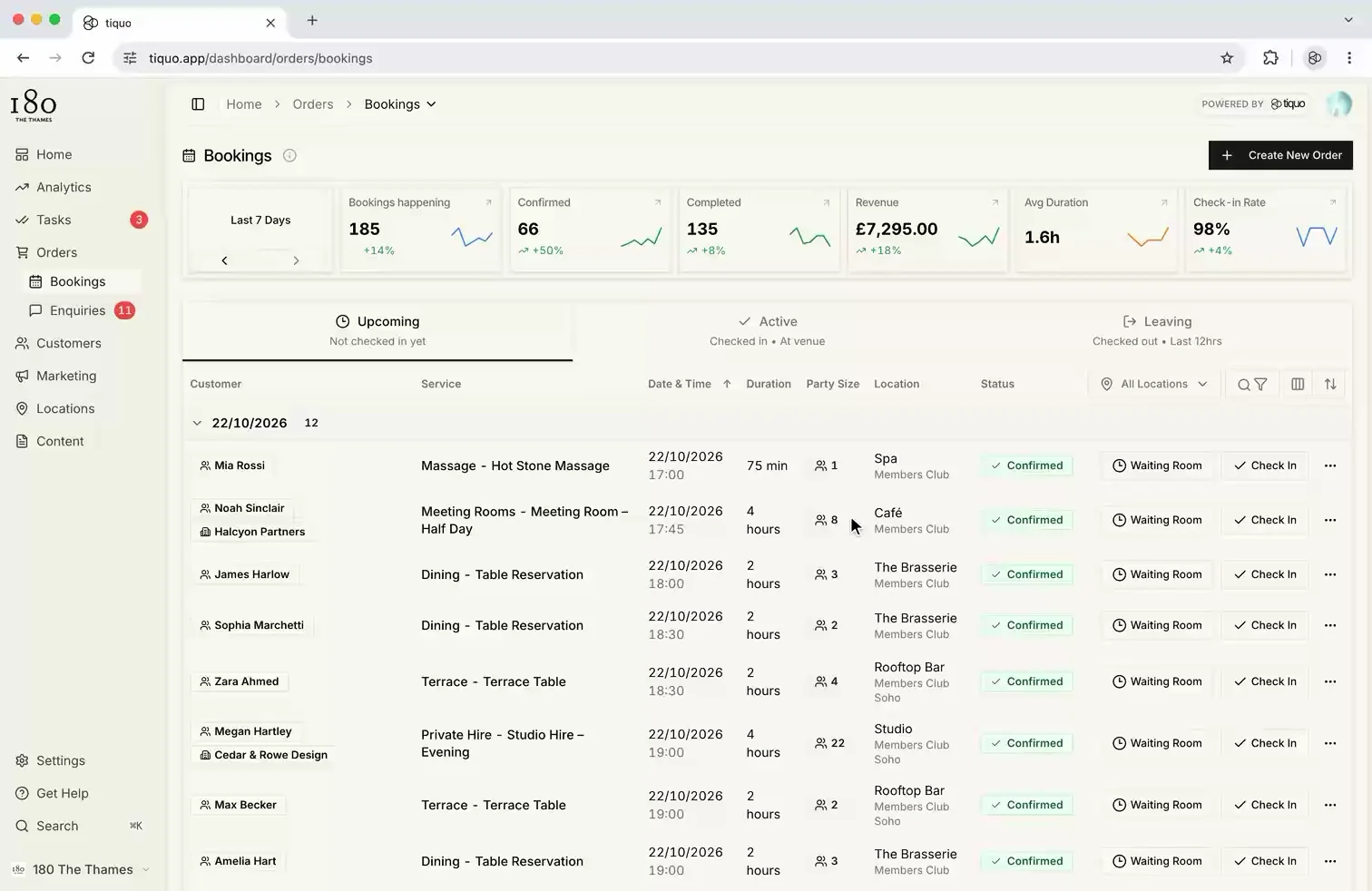
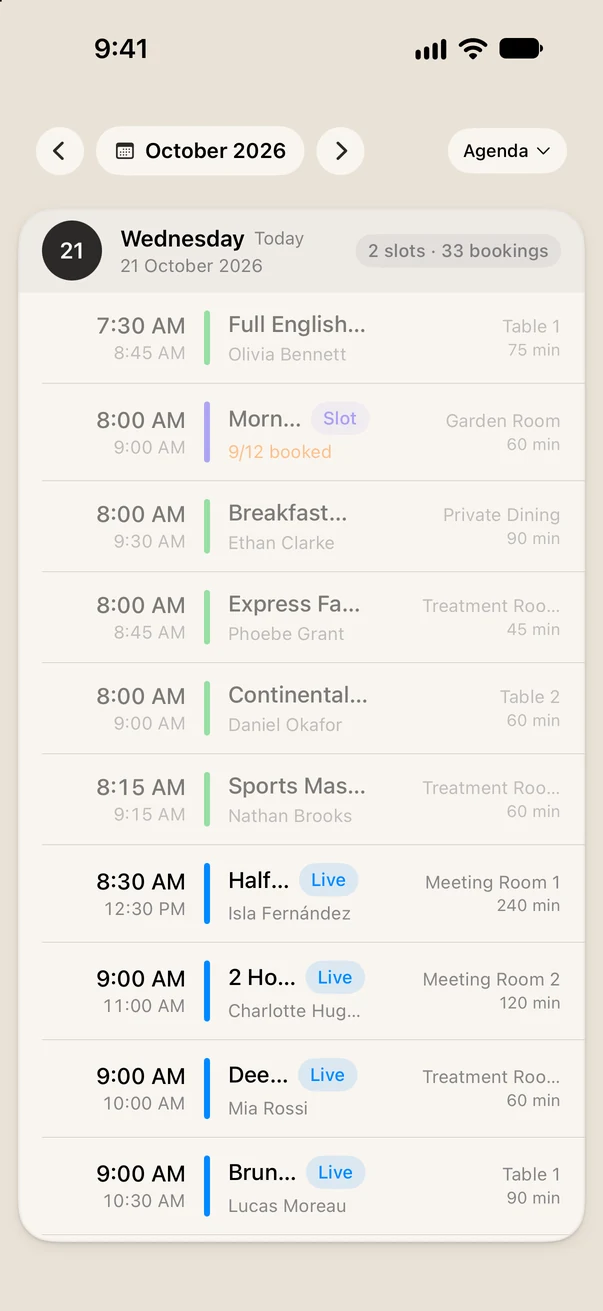
Tiquo brings reservations, POS, CRM, memberships, hotel PMS, spa and wellness bookings, events, ticketing, loyalty, gift cards, payments and analytics onto a shared database and customer profile.
Restaurant bookings, bar transactions, hotel check-ins, fitness classes and retail purchases feed that profile. The CRM adds predictive customer lifetime value and expected next-order ranges to historic activity. Social Graph shows relationships between customers, including groups and corporate accounts.
For configured connected accounts, Tiquo can allocate a checkout across several payment destinations and keep each allocation linked to the order. Shared booking, order and payment records reduce cross-system matching. Tiquo also supports stored credit for eligible products and services, with split payment options for groups.
Membership and loyalty benefits work across sublocations and services, so members can earn and redeem eligible benefits in different parts of the venue.
The booking platform covers hotel rooms, spa treatments, classes, private hire, exhibition tickets and restaurant reservations. Connected booking flows can offer a spa treatment alongside a table reservation or a dinner slot during hotel check-in.
Front-of-house, events, finance, reception, wellness and membership teams work from the same platform and operational records.
Making the Decision
Start with the work your team needs to do. If reservation management is the main requirement, assess the booking and marketing tools in detail. If the guest relationship spans several services, also test shared profiles, payments and reporting across those services.




Latest Stories
WebMCP explained: how AI agents can book through hospitality websites
What WebMCP is, how websites register tools that AI agents in the browser can call, where the standard and Chrome support stand in October 2026, and what it means for booking pages.

How to sell spa treatments and dining to hotel guests before they arrive
Pre-arrival upselling for hotels: when to send spa and dining offers, what to offer which guests, how to make offers bookable, and the UK consent rules for promotional messages.
How to split bills and move tabs between tables
How to split bills by item, seat, equal share or amount, and how to move a tab or selected items to another table without sending food to the kitchen twice or charging twice.