OpenTable Alternatives: When Reservation Fees Start Feeling Like a Tax on Growth

OpenTable manages bookings, waitlists, guest notes and floor plans, and lists restaurants in its consumer marketplace. For a venue that needs both reservation tools and discovery, those are two distinct sources of value.
As booking volume grows, review the fees against the business they bring in. The calculation depends on where diners come from, the terms of the plan and the other systems the venue needs.
What OpenTable Does
A marketplace listing can bring in diners who might not otherwise find the restaurant. That can be useful for a new venue or services with tables to fill.
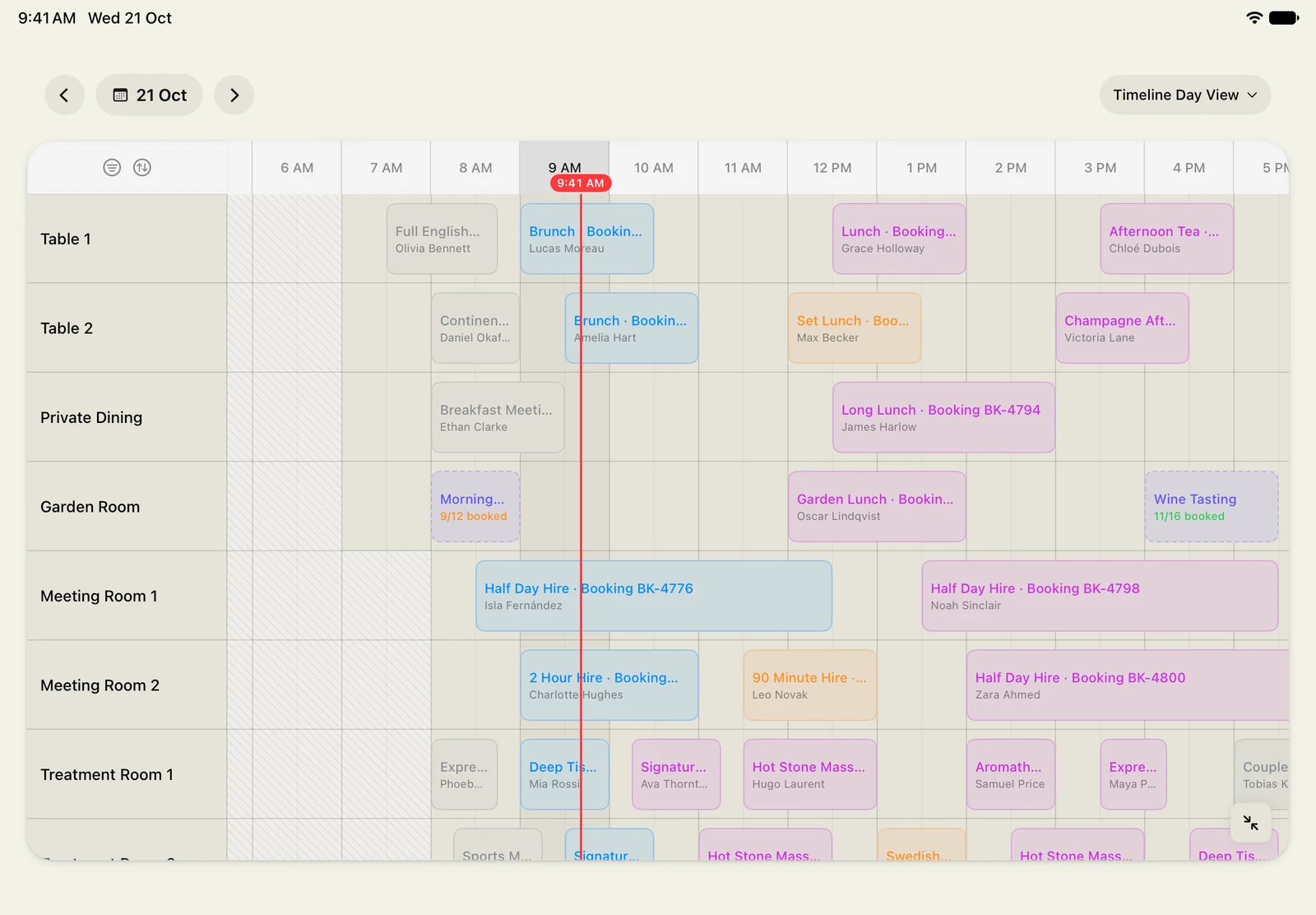
The reservation tools cover table planning, floor management, guest notes, VIP tags, waitlists, CRM and mobile access for front-of-house.
The Pricing Model Gets Harder to Justify as You Grow
Review the subscription and fees that apply to each booking source and type. Marketplace bookings, experiences, prepaid covers and promoted placements may have different terms. Use the venue’s own booking mix to estimate the cost.
Separate bookings from the marketplace from those generated by your website, Google listing or social media. Confirm how the plan charges for each source, including bookings made through an embedded widget.
For a group with five or six restaurants, calculate the total across sites as well as the cost per diner. This makes it easier to compare the service’s contribution with its ongoing cost.
The Guest Relationship Feels Borrowed, Not Owned
Check which guest history, contact details and booking patterns staff can access, export and use in other systems.
This matters for loyalty, direct marketing and membership programmes. Establish which records can support those activities and whether extra products or integrations are required.
The Branding Problem
Follow the booking journey from the restaurant’s website through the widget and confirmation messages. Check where OpenTable branding appears and which parts the venue can customise.
Decide whether those controls meet your brand requirements. Include the experience on a phone, where guests may complete most of the journey.
Support When It Actually Matters
Ask how urgent reservation issues are handled outside office hours. Confirm how staff reach support, what response the plan includes and what they can do if the booking system becomes unavailable during service.
Signs It Might Be Time to Look at Alternatives
Review alternatives if booking fees are rising, customer records require repeated manual work, or you need additional systems for loyalty, CRM, gift cards, memberships, POS and payments.
Expansion into hotels, events or wellness may also change the requirements. Compare whether the team can see a guest’s activity across services and whether the current setup still meets its support and branding needs.
Why Operators Move to Tiquo
Tiquo charges for the platform without per-booking or per-cover fees. Use that model alongside the venue’s booking volume when comparing costs.
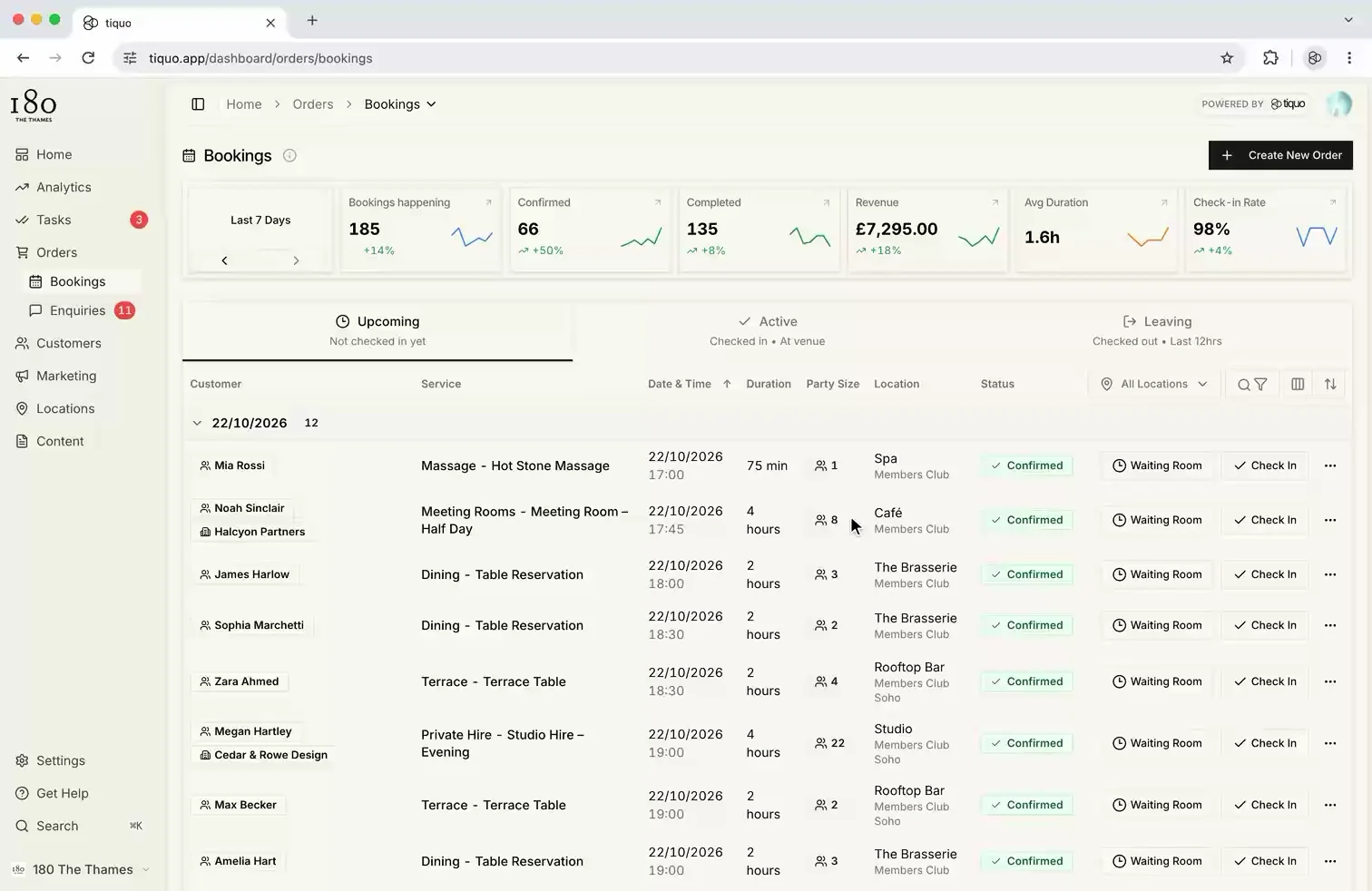
Tiquo includes reservations, POS, CRM, memberships, loyalty, gift cards, hotel PMS, spa and wellness bookings, events, ticketing, payments and analytics in one system.
Bookings, POS transactions, loyalty redemptions, memberships, event tickets, hotel stays and retail purchases feed the same customer profile. Staff can follow activity across the venue without combining those records manually.
For configured connected accounts, Tiquo can allocate a checkout across several payment destinations and link the allocations to the order. Shared booking, order and payment records reduce cross-system matching. Tiquo also supports stored credit for eligible products and services.
The booking flow and loyalty programme support the operator’s branding. Guest records, spending history, memberships and communication preferences can be used for the venue’s marketing and loyalty activity.
The Decision
OpenTable’s marketplace may justify the cost when it brings the restaurant valuable new business. Assess that contribution using the venue’s own booking sources and fees.
If most bookings come from your own marketing, or the business now spans several hospitality services, review the wider operating cost too. Include customer records, staff tasks and the tools needed around reservations.
Compare the complete setups against those requirements, including the work involved in changing systems.




Latest Stories

WebMCP explained: how AI agents can book through hospitality websites
What WebMCP is, how websites register tools that AI agents in the browser can call, where the standard and Chrome support stand in October 2026, and what it means for booking pages.

How to sell spa treatments and dining to hotel guests before they arrive
Pre-arrival upselling for hotels: when to send spa and dining offers, what to offer which guests, how to make offers bookable, and the UK consent rules for promotional messages.

How to split bills and move tabs between tables
How to split bills by item, seat, equal share or amount, and how to move a tab or selected items to another table without sending food to the kitchen twice or charging twice.