How to Consolidate Hospitality Operations Without a Painful Migration

Changing systems means working with years of customer data and routines that staff already know. Bookings, orders and memberships need to keep running while the team prepares the replacement.
A migration plan should address those concerns directly: what data will move, which workflows change first, how staff will train and what happens if a stage is not ready.
Why Most Migrations Go Wrong
A single cutover can leave little time to discover problems. If data import and staff training happen just before launch, errors may only become visible during service.
Treat the move as an operational transition. Staff need time to practise the tasks they perform each day and learn how to handle exceptions.
Data consolidation needs its own preparation. Systems use different formats and identifiers, and may hold duplicate customer profiles. Check imports and record relationships before relying on them for service or reporting.
Teams may also need different schedules. A busy front desk and an events team handling a few enquiries each week will have different training and rollout needs.
A Better Approach: Phased Consolidation
A phased migration introduces the platform by function or location. Each stage provides a chance to check the setup before extending it to more of the business.
Define what must be working before the next phase begins. This helps the team identify problems early and avoid carrying them into a larger rollout.
Begin by planning the data import: customer records, order history and transactions. Resolve duplicate records, agree formats and check how the imported history appears on customer profiles.
Choose an initial operation with useful benefits and a manageable rollout. A POS pilot at one location can let staff test repeatable workflows and identify exceptions before the setup is used elsewhere.
Schedule check-in, bookings, events, memberships and property management around operational priorities and team readiness. Shared platform records reduce the connections needed between the functions as they move.
What to Look For in a Consolidation Partner
Ask how the proposed platform’s modules share records. Products sold under one brand may still require separate databases and integrations, so confirm the actual setup.
Review how POS, PMS, CRM and bookings identify customers and share transactions. Ask the vendor to demonstrate a change flowing through the relevant records.
For businesses with multiple legal entities, test payment allocation, invoicing and entity-level reporting.
Check the devices staff will use, including fixed terminals, tablets on the floor and phones at reception.
Map existing workflows to the new configuration. Identify which can stay familiar and which require a process change or additional training.
How Tiquo Handles Consolidation
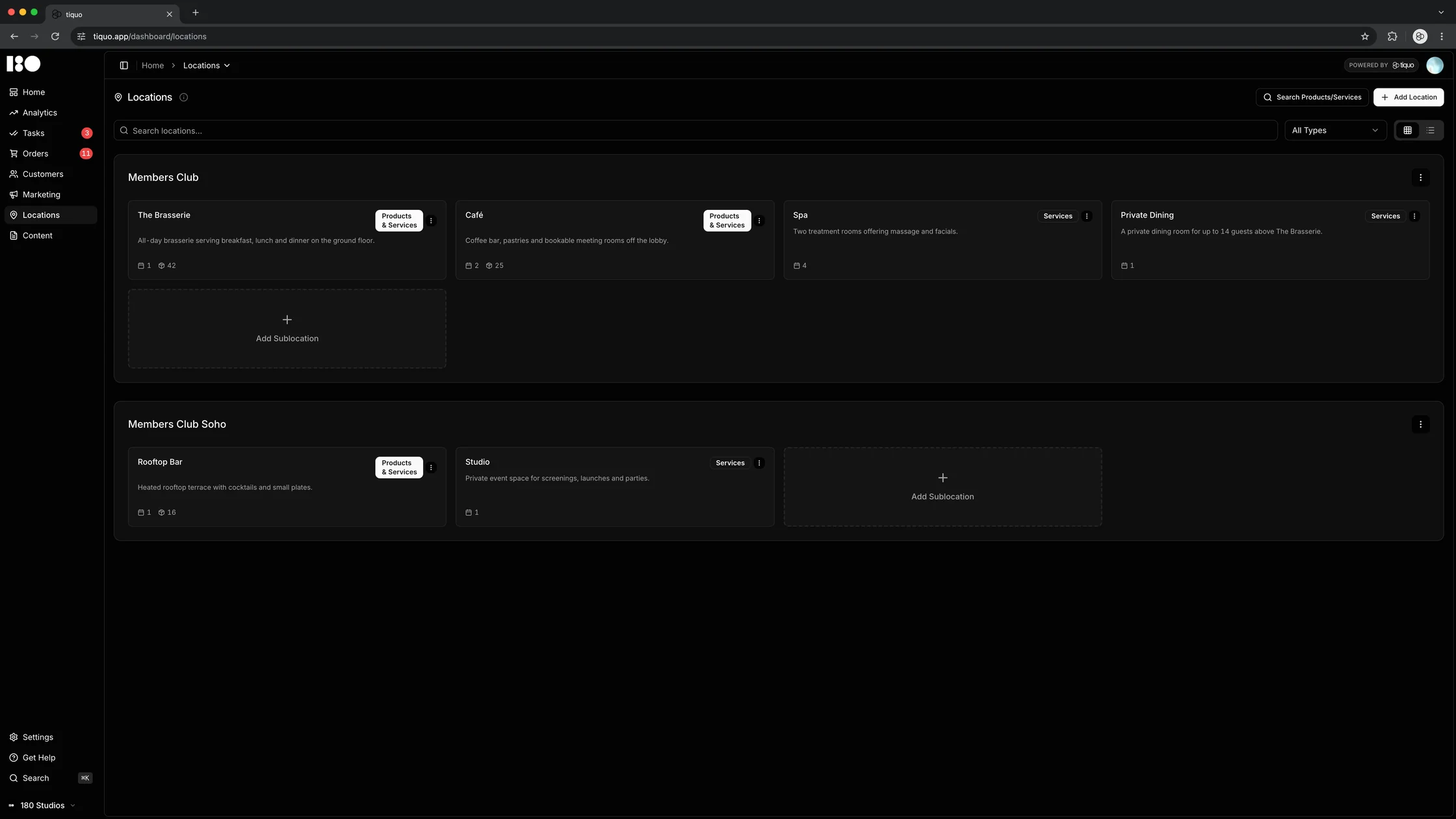
Tiquo covers POS, bookings, ticketing, memberships, check-in, guest management, CRM, event enquiries, hotel PMS, payments and reporting on a shared database.
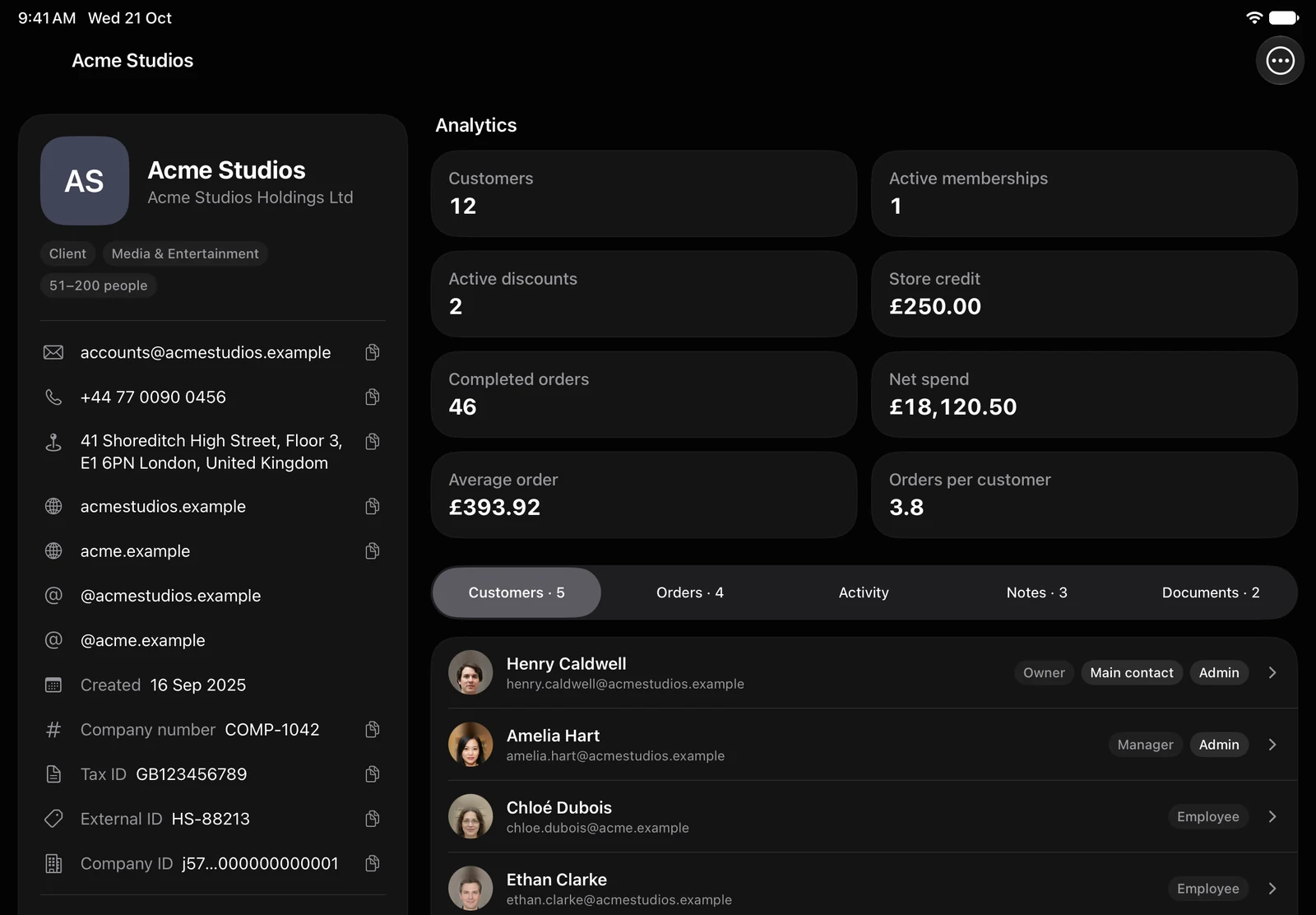
Migration starts with importing customer records, order histories and transactions from the existing systems. Deduplication, format standardisation and identity matching help bring those records together.
Functions can then be deployed in sequence. Teams learn the parts relevant to their role, whether that is restaurant POS, hotel operations, event enquiries or a health club booking flow. Configuration is set around the agreed workflows.
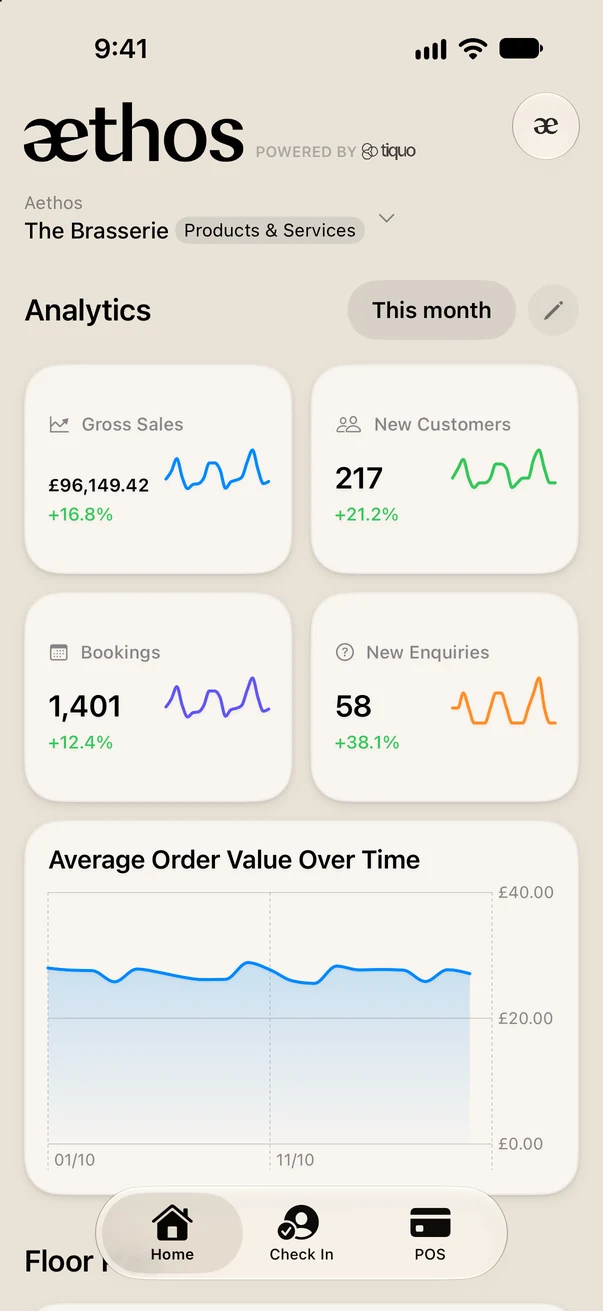
Tiquo runs on web browsers, iPhones, iPads, Android devices and dedicated POS hardware. Review existing devices for suitability before deciding what needs to be replaced.
For configured connected accounts, Tiquo can allocate checkout payments across destinations and link the allocations to orders. Include payment routing and financial records in the rollout checks.
The Real Cost of Waiting
Estimate the current cost of manual updates, data corrections and reporting work alongside the cost of migration. Use those figures and the venue’s operating calendar to plan a realistic start date.
Before committing to a rollout, agree its scope, responsibilities, training and acceptance checks with the implementation team.



Latest Stories
WebMCP explained: how AI agents can book through hospitality websites
What WebMCP is, how websites register tools that AI agents in the browser can call, where the standard and Chrome support stand in October 2026, and what it means for booking pages.

How to sell spa treatments and dining to hotel guests before they arrive
Pre-arrival upselling for hotels: when to send spa and dining offers, what to offer which guests, how to make offers bookable, and the UK consent rules for promotional messages.

How to split bills and move tabs between tables
How to split bills by item, seat, equal share or amount, and how to move a tab or selected items to another table without sending food to the kitchen twice or charging twice.