The Hidden Cost of Running a Legacy PMS Across a Hotel Portfolio

A PMS invoice does not show the time spent reconciling records, maintaining connections or preparing portfolio reports. Include those tasks when comparing the cost of your current setup with a replacement.
Across several hotels, the same manual process may be repeated at every property. Mapping that work makes the cost easier to assess.
The Reconciliation Tax
Where accommodation, food service, spa and events use separate systems, finance may need to export and combine their figures for the monthly close. Entity structures can add another stage of matching and adjustment.
Record the time this takes at each hotel and at group level. A process that seems small at one property can require much more work across ten or twenty.
Also measure how long leadership waits for consolidated figures. A report delivered two weeks after the period ends may be less useful for near-term rate, staffing or cash flow decisions.
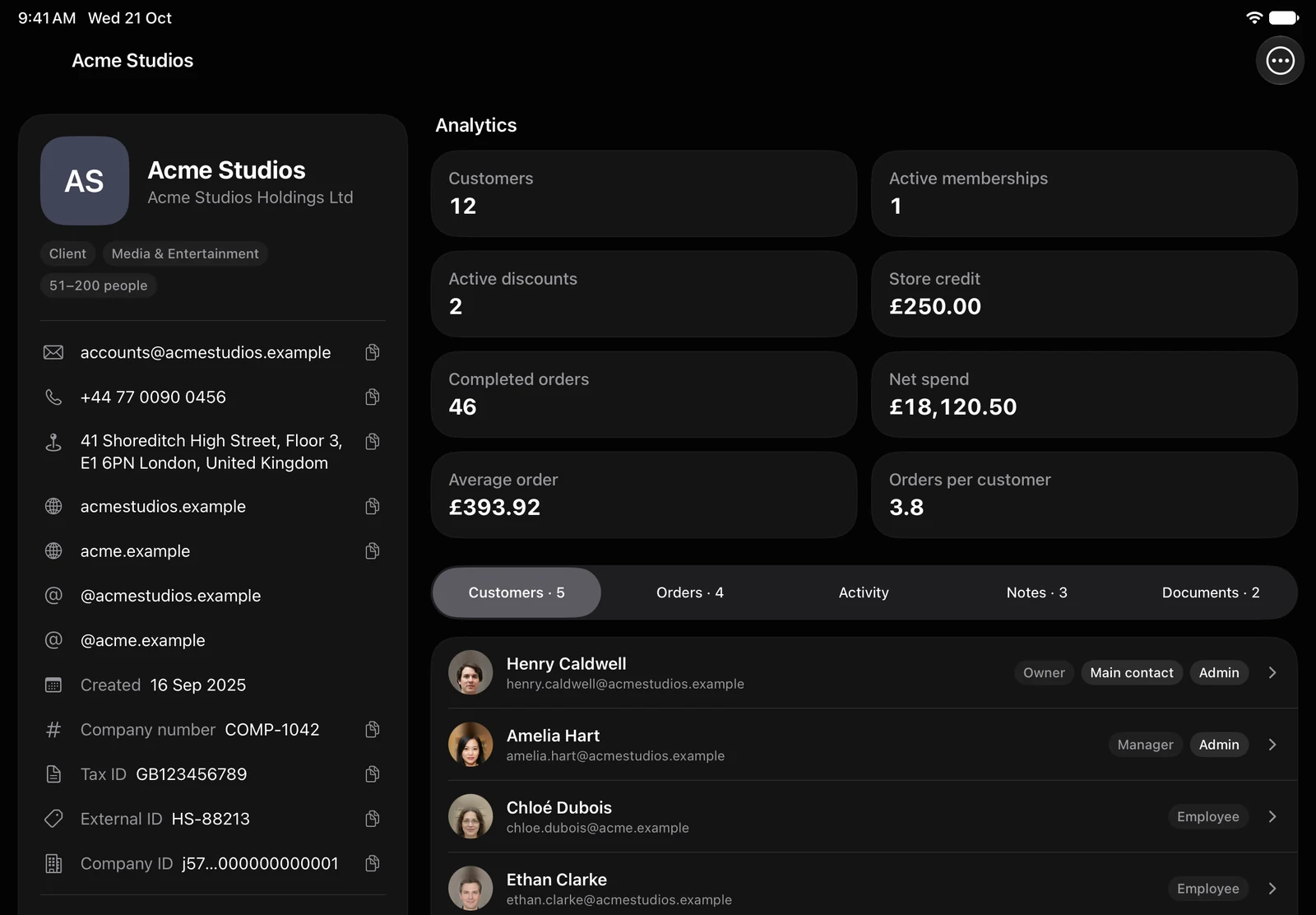
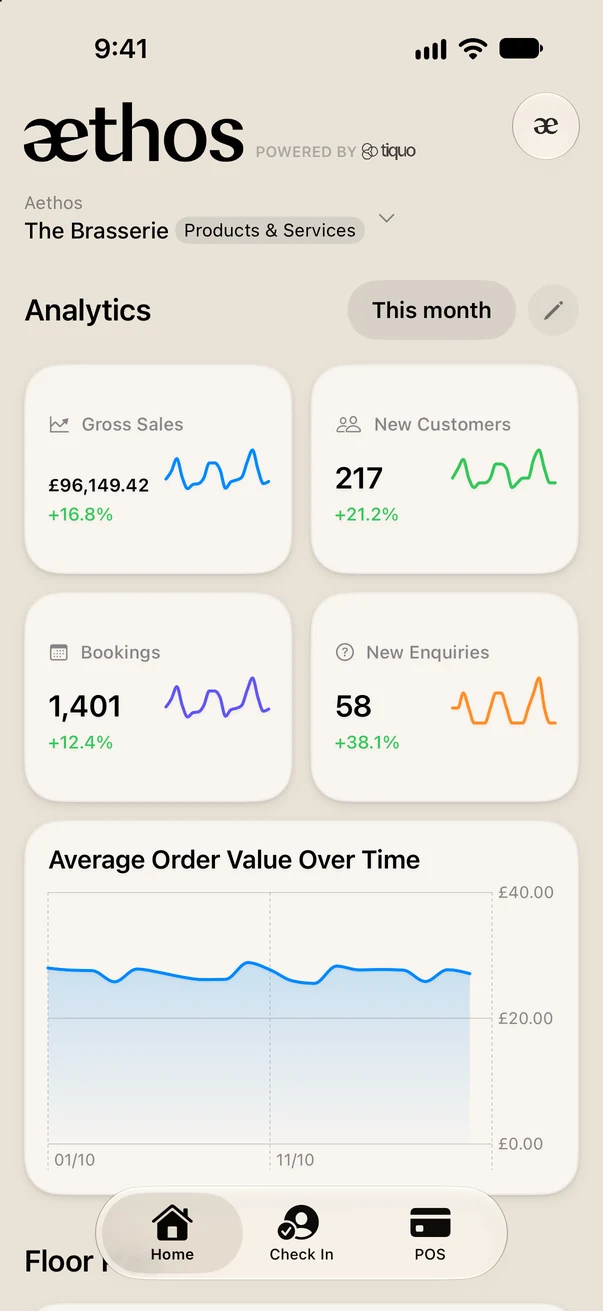
Tiquo shares operational records across bookings, orders, payments, memberships and loyalty, with payments linked to orders. For configured connected accounts, checkout allocations remain linked to the originating order. This reduces cross-system matching.
The Integration Maintenance Overhead
A PMS may connect to channel management, revenue management, POS, spa bookings, CRM, marketing, payments, accounting, housekeeping, guest messaging and review tools.
Each connection needs monitoring and support. Sync failures, API changes or version updates can leave records incomplete. Establish who investigates problems and how much time recovery takes.
For example, ten integrations at each of twenty properties create two hundred connections to maintain. Include internal IT and managed service costs in the comparison.
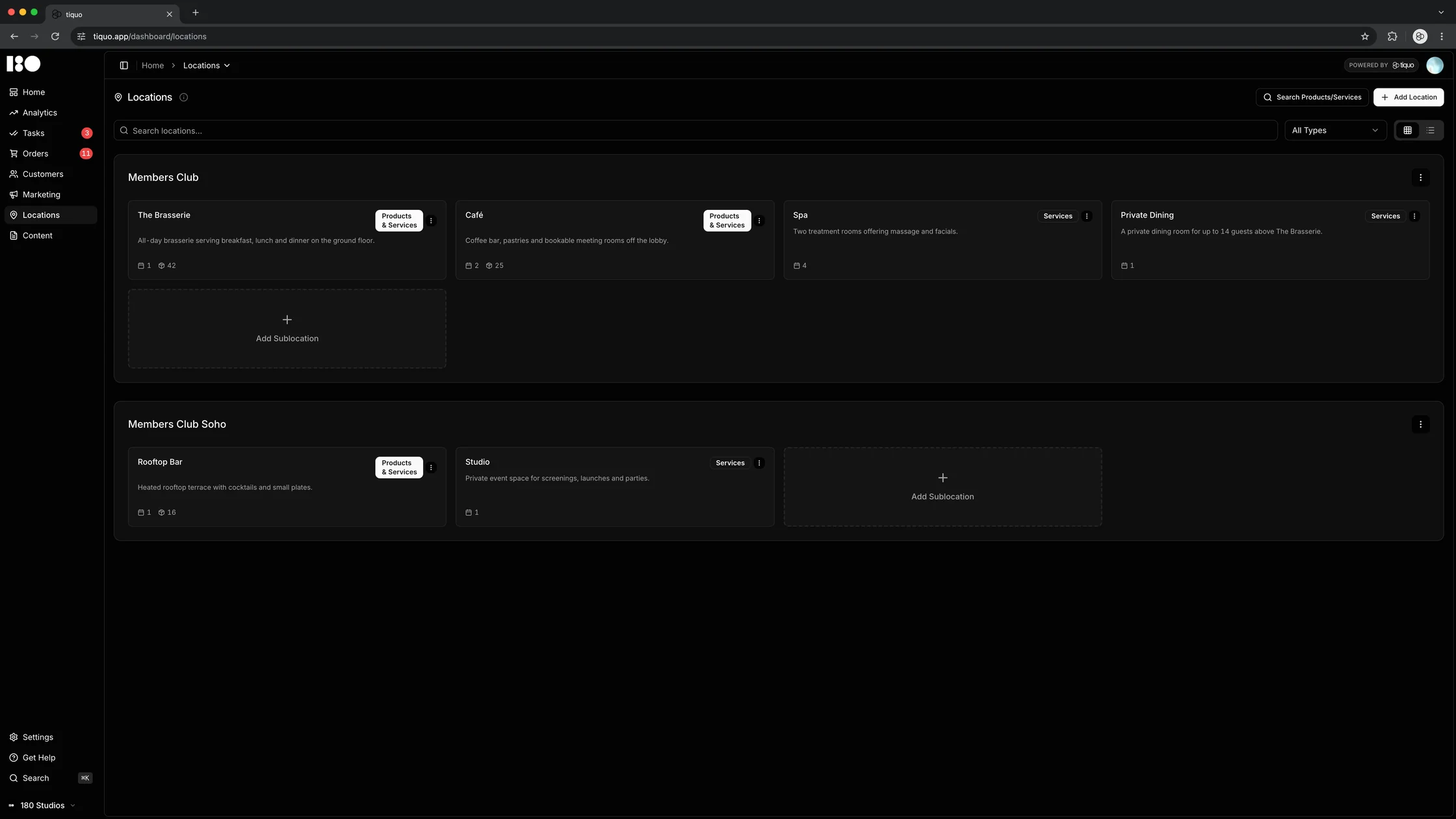
A platform that includes POS, bookings, CRM, memberships, check-in, events and payments reduces the connections needed between those functions. External systems may still need integrations, so assess the proposed setup as a whole.
The Customer Intelligence Gap
Imagine a guest who has stayed at the London property three times, used the spa and regularly dined at the restaurant. Six months later, they book Edinburgh. Can reception see that earlier activity?
Separate property databases may make this difficult, even when the hotels use the same PMS brand. A central CRM can bring records together, but its connections and update timing also need review.
Check whether staff can recognise returning guests across properties and use the relevant history during service. Note where they need to search another system or ask the guest to repeat information.
Relationships between guests can add context, including shared bookings, referrals and corporate accounts. Review whether that information is available across the portfolio.
Tiquo adds predictive customer lifetime value and expected next-order ranges to the shared customer record. These estimates sit alongside historic activity to help teams plan customer contact.
The Cross-Sell Revenue You Never Capture
A hotel with a spa, restaurant, event space or shop has several services to offer a guest. Separate booking flows can make those offers harder to present and measure.
Map where staff currently suggest additional services and which offers appear during online booking or check-in. Check whether they can use the guest’s existing preferences and activity.
If a proposed platform includes automated recommendations, ask how they are selected, where they appear and which capabilities are available now. Do not include projected gains in the cost comparison without a clear basis.
Measure any change in additional-service bookings after rollout so the expected benefit can be compared with the result.
The Staff Productivity Drain
A front office manager may need arrivals information in the lobby, an events coordinator may need an enquiry on a phone, and a revenue manager may need portfolio reports from another location.
Check which tasks require a fixed terminal. Time spent returning to a desk is another operating cost, particularly for teams that move around the property.
Test the required workflows on web browsers, iPhone, iPad, Android and any POS hardware in use. Confirm device restrictions before estimating the time a replacement will save.
The Cost of Rigid Workflows
City hotels, resorts, conference venues and extended-stay properties may work differently. The portfolio still needs consistent reporting. Review which settings can vary locally and which definitions must stay shared.
Include guest-facing processes such as check-in. A flow that suits one property may need different steps at another.
Configurable local workflows with a shared data model can support those differences while keeping portfolio reports consistent.
Adding It All Up
Add licence and integration fees to the staff time spent on reconciliation, support, reporting and workarounds. Record service and data gaps separately where their financial effect is uncertain.
Tiquo brings PMS, POS, bookings, CRM, memberships, events, payments and analytics into one system. Assess its shared profiles, portfolio reporting and configured payment allocations against the work identified in your current setup.
A useful comparison shows what the replacement costs, which tasks it removes and what implementation or ongoing work remains.
Latest Stories
WebMCP explained: how AI agents can book through hospitality websites
What WebMCP is, how websites register tools that AI agents in the browser can call, where the standard and Chrome support stand in October 2026, and what it means for booking pages.

How to sell spa treatments and dining to hotel guests before they arrive
Pre-arrival upselling for hotels: when to send spa and dining offers, what to offer which guests, how to make offers bookable, and the UK consent rules for promotional messages.

How to split bills and move tabs between tables
How to split bills by item, seat, equal share or amount, and how to move a tab or selected items to another table without sending food to the kitchen twice or charging twice.