How Tiquo Raised a Seven Figure Angel Round to Build the Operating System for Hospitality

Tiquo has closed a seven-figure angel investment round to develop its hospitality operations platform.
Hospitality Got Complicated
Hotels and members’ clubs often run dining, wellness, events, accommodation, coworking and retail in the same venue. Several brands or legal entities may share the building.
As those services grow, operators can end up with separate software and manual steps to connect it. Staff move records between tools, while finance combines figures from several sources.
One Platform Instead of Twenty
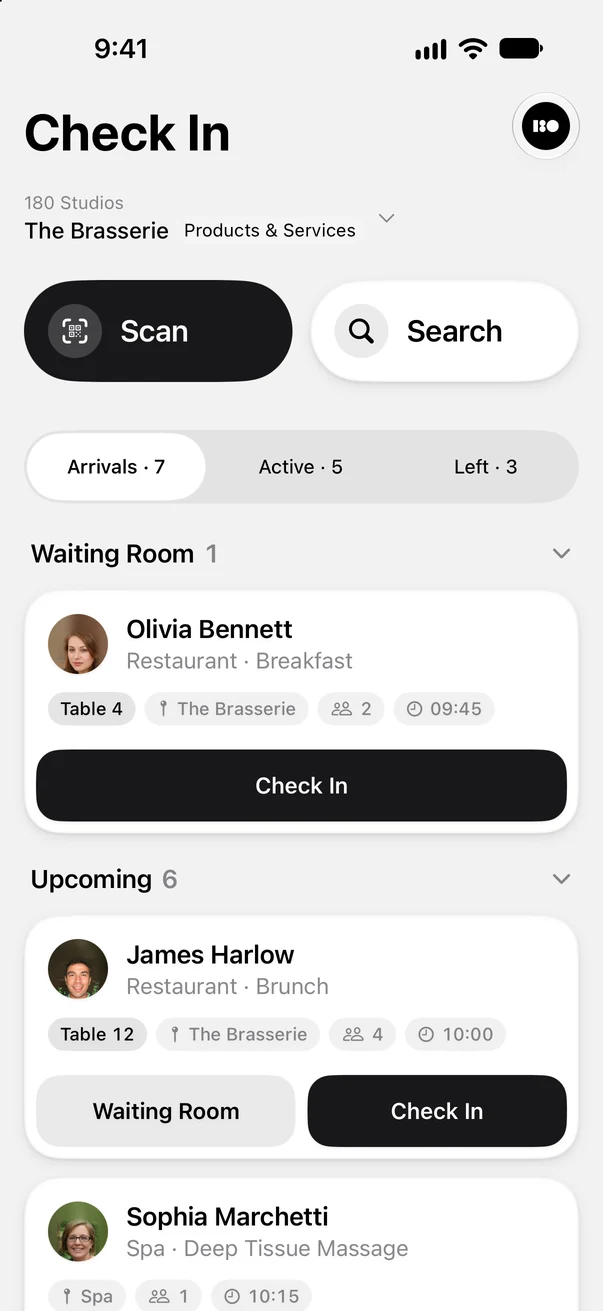
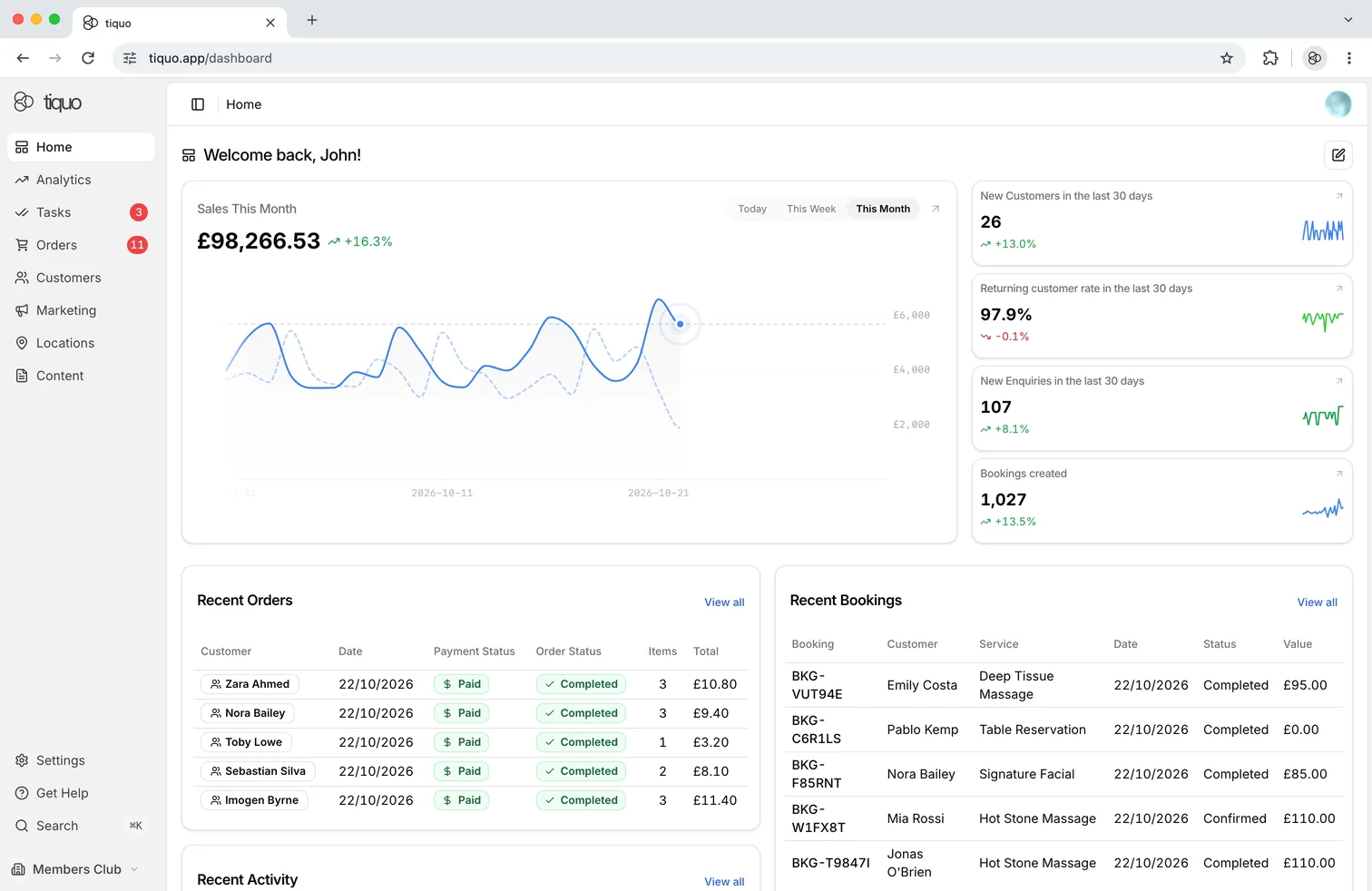
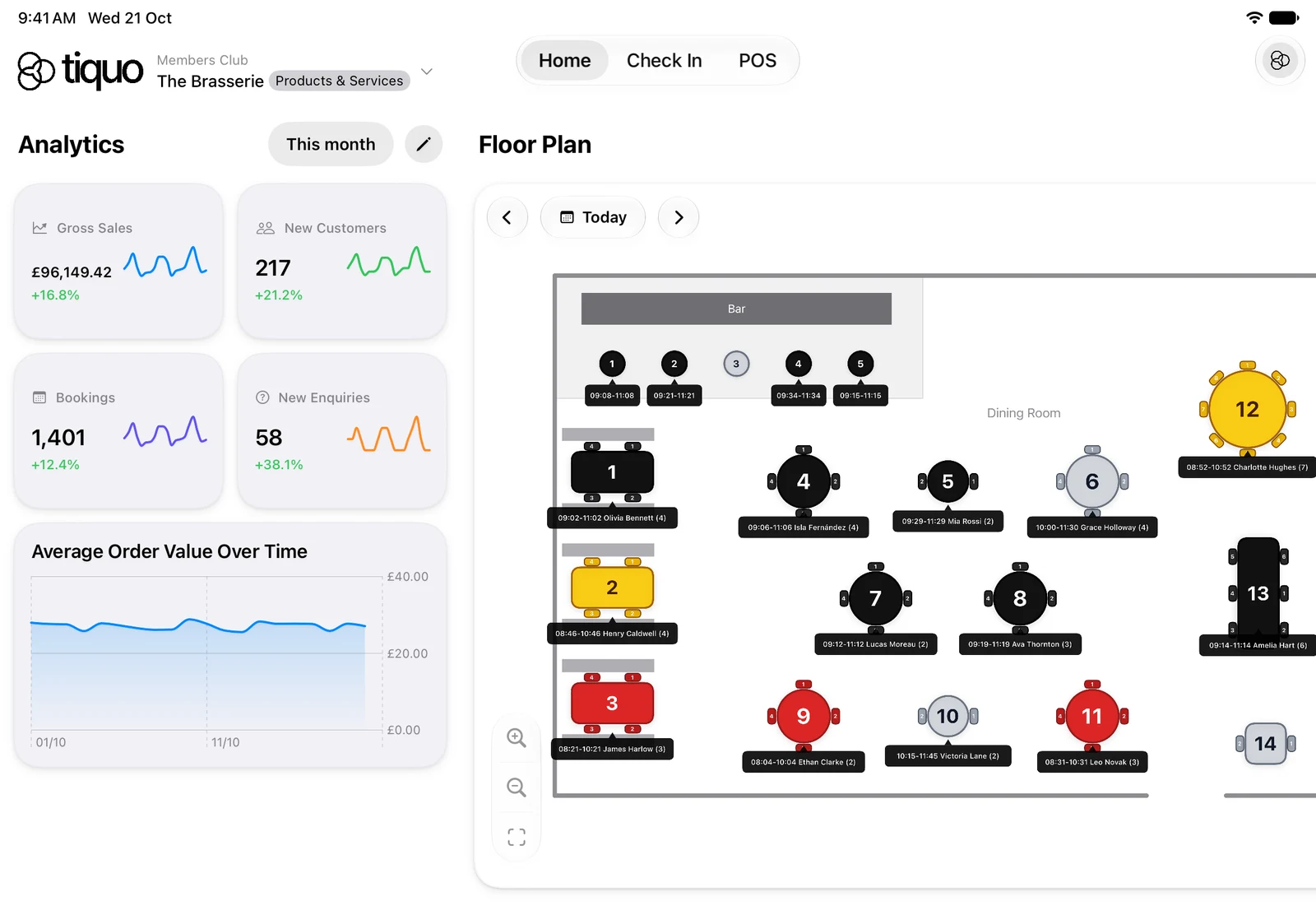
Tiquo brings bookings, POS, CRM, payments, memberships, marketing, enquiries, events and reporting onto one platform.
Customers include hotels, members’ clubs, restaurants, bars, wellness venues, coworking spaces and hospitality groups with several locations. The platform handles both products and services.
Shared records help teams follow customer activity, revenue and operations across those services without combining the data manually.
Where the Money Is Going
The funding will support work on global payments, POS, hotel operations, memberships and subscriptions, CRM, marketing, gift cards, loyalty, finance, AI tools and analytics. International compliance and localisation are also part of the development plan.
Tiquo’s platform was built in-house on a shared architecture. Product development extends that system so the functions can use the same operational records.
What Modern Hospitality Actually Requires
A hotel may need to manage room and spa bookings, dining, coworking, retail, event tickets, guest communications, loyalty and reporting across legal entities.
When each service uses a separate system, teams also need to learn the connections and maintain the records between them.
For groups with several brands or locations, the same work can be repeated across the portfolio. Our product plan focuses on bringing those workflows together.
The AI Angle Is More Interesting Than You’d Expect
Part of the funding will support AI features that use the platform’s shared operational data.
A standalone booking system or POS holds part of a customer’s activity. Tiquo brings that information together with payments, memberships and customer records.
Current AI capabilities include predictive customer lifetime value, expected next-order ranges, personalised briefings, metric explanations and suggested customer segments.
Growing the Team and Going Global
The round will also support hiring across engineering, product, operations and go-to-market teams. International development covers currencies, local payment methods, tax requirements, languages and legal entity structures.
The aim is to support operators opening in new markets, such as a members’ club expanding from London to New York, within the same platform.
The Next Stage
The next stage of work will extend the shared payment, booking, POS, membership, CRM and reporting tools used by hospitality teams today.
The angel round gives Tiquo funding to pursue that product plan and support more venues as they adopt the platform.



Latest Stories

WebMCP explained: how AI agents can book through hospitality websites
What WebMCP is, how websites register tools that AI agents in the browser can call, where the standard and Chrome support stand in October 2026, and what it means for booking pages.

How to sell spa treatments and dining to hotel guests before they arrive
Pre-arrival upselling for hotels: when to send spa and dining offers, what to offer which guests, how to make offers bookable, and the UK consent rules for promotional messages.

How to split bills and move tabs between tables
How to split bills by item, seat, equal share or amount, and how to move a tab or selected items to another table without sending food to the kitchen twice or charging twice.